If you’ve been injured on someone else’s property in Georgia, you may wonder whether the property owner can be held responsible for your injuries. For this, you need to rush out to an experienced Georgia personal injury lawyer.
Under O.C.G.A. § 51-3-1, Georgia property owners and occupiers who invite people onto their premises have a legal duty to exercise ordinary care in keeping the property reasonably safe. If they fail to fix dangerous conditions or warn visitors about known hazards, they may be held liable for injuries that result.
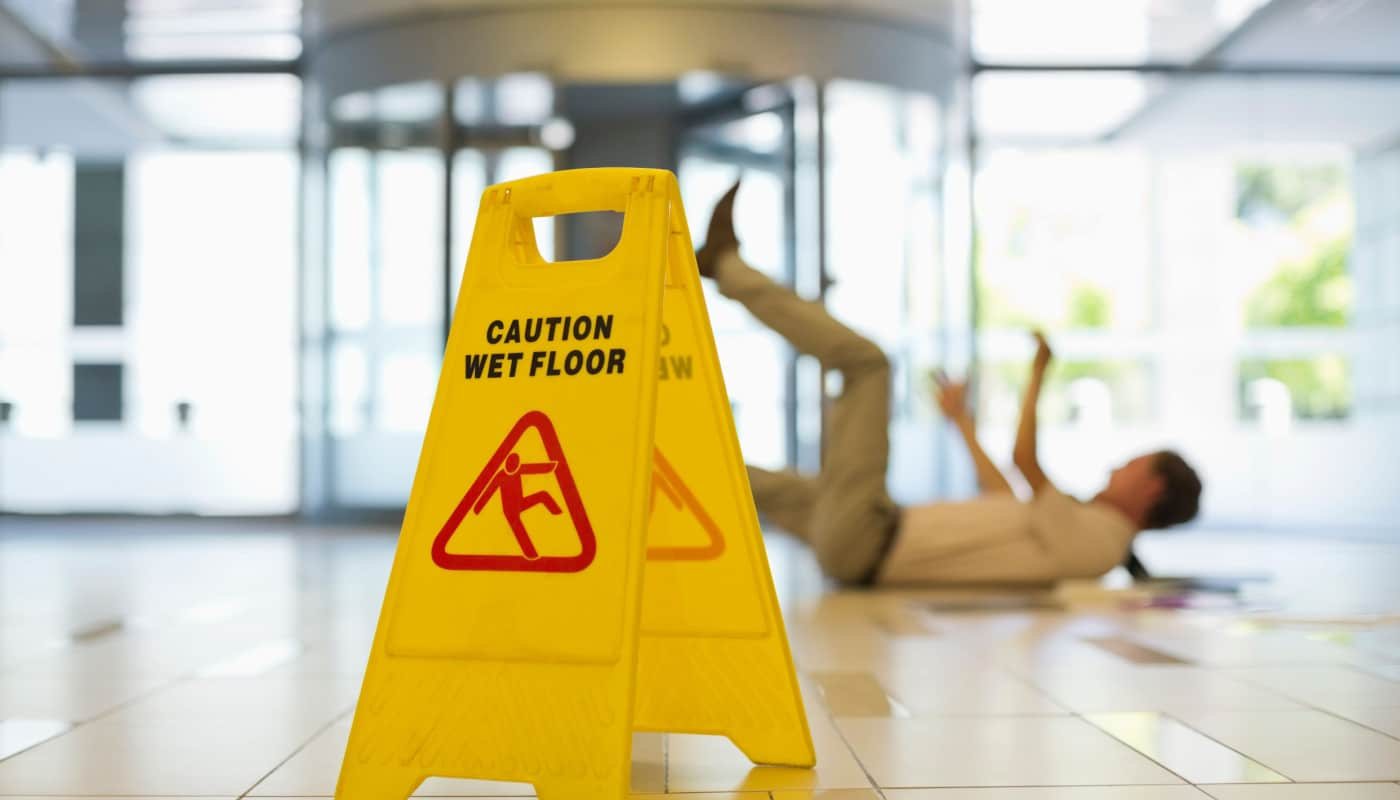
Premises liability covers far more than slip and fall accidents. It can include injuries caused by broken sidewalks, falling objects, inadequate lighting, negligent security, unsafe stairways, swimming pool hazards, and other dangerous property conditions.
In this guide, we’ll explain:
- What premises liability means in Georgia
- Who qualifies as an invitee, licensee, or trespasser
- Common examples of dangerous property conditions
- How to prove a premises liability claim
- How Georgia law affects your right to recover compensation
What Is Premises Liability in Georgia?
Premises liability in Georgia is the legal responsibility property owners have to maintain reasonably safe premises for lawful visitors. Under O.C.G.A. § 51-3-1, property owners may be liable if they knew or should have known about a dangerous condition, failed to address it, and someone was injured as a result.
What Is Premises Liability?
Premises liability is an area of claims in personal injury law that applies when someone is injured because a property owner or occupier failed to maintain safe conditions.
These accidents can happen almost anywhere, including:
- Grocery stores
- Shopping centers
- Restaurants
- Hotels
- Apartment complexes
- Office buildings
- Parking lots
- Sidewalks
- Schools
- Private homes
A property owner isn’t automatically responsible simply because an accident occurred. Instead, the injured person must show that the owner failed to exercise reasonable care under the circumstances.
Who Is Protected Under Georgia Premises Liability Law?
One of the most important factors in any premises liability case is why you were on the property. Georgia law recognizes three primary categories of visitors:
- Invitees
- Licensees
- Trespassers
Each category receives a different level of legal protection.
1. Invitees (Highest Level of Protection)
An invitee is someone who enters property for the benefit of the owner or because the property is open to the public.
Examples include:
- Customers shopping at a grocery store
- Diners at a restaurant
- Guests staying at a hotel
- Patients visiting a medical office
- Residents entering their apartment complex’s common areas
- Clients visiting a business office
These individuals are often referred to as business invitees. Under Georgia law, invitees receive the highest level of legal protection. Property owners must:
- Conduct reasonable inspections
- Repair dangerous conditions within a reasonable time
- Warn visitors about hazards that aren’t immediately obvious
- Take reasonable steps to prevent foreseeable injuries
Because most premises liability claims involve customers or visitors to businesses, the majority of lawsuits focus on invitees.
2. Licensees
A licensee enters property with permission but primarily for their own purposes rather than for the owner’s business benefit.
Common examples include:
- Social guests visiting a friend’s home
- Family members attending a private gathering
- Neighbors stopping by for a visit
Property owners owe licensees a lower duty of care than invitees.
Generally, owners must avoid willfully or wantonly causing injury and warn licensees of known hidden dangers that are unlikely to be discovered on their own.
3. Trespassers
A trespasser enters property without permission. In most situations, property owners owe limited duties to trespassers. However, there are important exceptions.
For example, Georgia recognizes situations involving an attractive nuisance, where property owners may have additional responsibilities if dangerous conditions are likely to attract young children, such as:
- Unsecured swimming pools
- Abandoned machinery
- Construction sites
- Other hazardous features that may entice children
Because these cases are highly fact-specific, legal guidance is often important.
How to Prove Premises Liability in Georgia
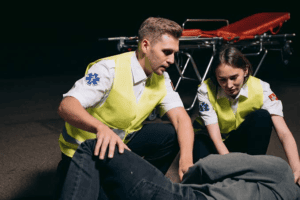
Many people assume that if they fall on someone else’s property, the owner is automatically responsible. That’s not how Georgia law works.
To recover compensation, you generally must establish four essential legal elements.
1. The Property Owner Owed You a Duty of Care
The first step is showing that the property owner had a legal responsibility to keep the premises reasonably safe.
For example:
- A grocery store owes customers a duty to maintain safe aisles.
- An apartment complex must maintain reasonably safe common areas.
- A hotel should inspect hallways and stairwells for hazards.
This legal duty is strongest when the injured person is an invitee.
2. The Owner Breached That Duty
Next, you must show that the owner failed to meet that legal obligation.
Examples include:
- Failing to clean up a spill
- Ignoring broken sidewalks
- Leaving damaged stairs unrepaired
- Not replacing burned-out parking lot lights
- Failing to repair loose flooring
- Ignoring repeated reports of dangerous conditions
Simply proving that an accident happened isn’t enough, you must show that the property owner acted unreasonably.
3. The Dangerous Condition Caused Your Injury
The unsafe condition must have directly caused your injuries.
Examples include:
- Slipping on an unmarked wet floor
- Tripping over uneven pavement
- Falling because of a broken handrail
- Being assaulted because of inadequate security and poor lighting
Medical records, surveillance footage, witness statements, and photographs often play an important role in proving this connection.
4. You Suffered Compensable Damages
Finally, you must demonstrate that the accident resulted in actual losses.
These may include:
- Medical expenses
- Lost wages
- Reduced earning capacity
- Pain and suffering
- Rehabilitation costs
- Future medical treatment
Without damages, there generally isn’t a valid premises liability claim.
Actual Knowledge vs. Constructive Knowledge: Why It Matters
One of the biggest issues in a property owner liability Georgia case is proving the owner knew, or should have known, about the dangerous condition.
Georgia courts generally recognize two types of knowledge:
1. Actual Knowledge
The property owner actually knew about the hazard but failed to fix it.
Example: Employees were told about a spill but left it unattended for an extended period.
2. Constructive Knowledge
The owner didn’t actually know about the danger but should have discovered it through reasonable inspections.
Examples include:
- A spill that remained on the floor long enough that employees should have noticed it.
- A cracked sidewalk that had existed for weeks.
- Burned-out lights in a parking lot that were never replaced.
Property owners are expected to conduct reasonable inspections to identify and correct hazards before someone gets hurt.
Understanding the Robinson v. Kroger Decision
One of the most important Georgia premises liability cases is Robinson v. Kroger Co., decided by the Georgia Supreme Court in 1997. Before this decision, many slip and fall cases were dismissed because courts assumed injured customers should have seen the hazard. Robinson changed that approach.
Today, Georgia courts generally recognize that determining whether a person exercised reasonable care, and whether a property owner had superior knowledge of a dangerous condition, is often a question for the jury rather than something that should automatically dismiss a case.
The “Open and Obvious” Defense Explained
One of the most common defenses used by insurance companies is the open and obvious defense.
The argument is simple: “The hazard was so obvious that the injured person should have seen and avoided it.”
Examples may include:
- Large potholes
- Clearly visible broken sidewalks
- Brightly marked construction zones
- Obvious changes in elevation
Following Robinson v. Kroger, courts generally evaluate the circumstances of each case rather than automatically siding with the property owner.
Common Slip and Fall Accidents in Georgia
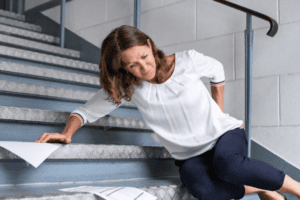
Many premises liability claims involve foreign substances or static defects.
Foreign Substance Cases
These involve hazards that were placed on the property or appeared unexpectedly, such as:
- Wet floors
- Spilled drinks
- Grease
- Food products
- Ice or water tracked indoors
The key issue is often whether the property owner had enough time to discover and remove the hazard.
Static Defect Cases
A static defect is a permanent or long-standing dangerous condition on the property.
Examples include:
- Broken sidewalks
- Uneven pavement
- Loose handrails
- Damaged stairs
- Potholes
- Cracked flooring
Because these hazards often exist for extended periods, owners may have difficulty arguing they were unaware of the condition.
Negligent Security in Georgia
Premises liability isn’t limited to slips and falls. Property owners may also be liable when inadequate security contributes to foreseeable criminal acts. This is known as negligent security Georgia.
Examples include injuries resulting from:
- Assaults in apartment complexes
- Robberies in poorly lit parking lots
- Hotel security failures
- Shopping center attacks
- Inadequate access control
- Broken gates or security cameras
To establish a negligent security claim, it’s often necessary to show:
- The crime was reasonably foreseeable.
- The property owner failed to take reasonable security measures.
- That failure contributed to the injury.
Negligent security cases are frequently more complex than traditional slip and fall claims because they involve questions about foreseeability and prior criminal activity.
Injured on Someone Else’s Property in Georgia?
“Mark Thomas Law took the time to explain every step of the process and fought hard to hold the property owner accountable for my injuries.” — Former Georgia Premises Liability Client
Whether your injuries resulted from a slip and fall, unsafe property conditions, or negligent security, understanding your legal rights early can make a significant difference.
✔ Free Consultation
✔ No Fee Unless We Recover Compensation
✔ Experienced Georgia Premises Liability Representation
Schedule Your Free Case Review Today
Can You Still Recover If You Were Partially at Fault?
Yes, possibly. Georgia follows a modified comparative negligence rule.
This means:
- You may still recover compensation if you were less than 50% responsible for the accident.
- Your recovery is reduced by your percentage of fault.
- If you’re found 50% or more at fault, you generally cannot recover damages.
For example:
| Your Percentage of Fault | Potential Recovery |
| 10% | 90% of your damages |
| 25% | 75% of your damages |
| 49% | 51% of your damages |
| 50% or more | Generally barred from recovery |
Insurance companies often attempt to shift blame onto injured victims, making early evidence collection especially important.
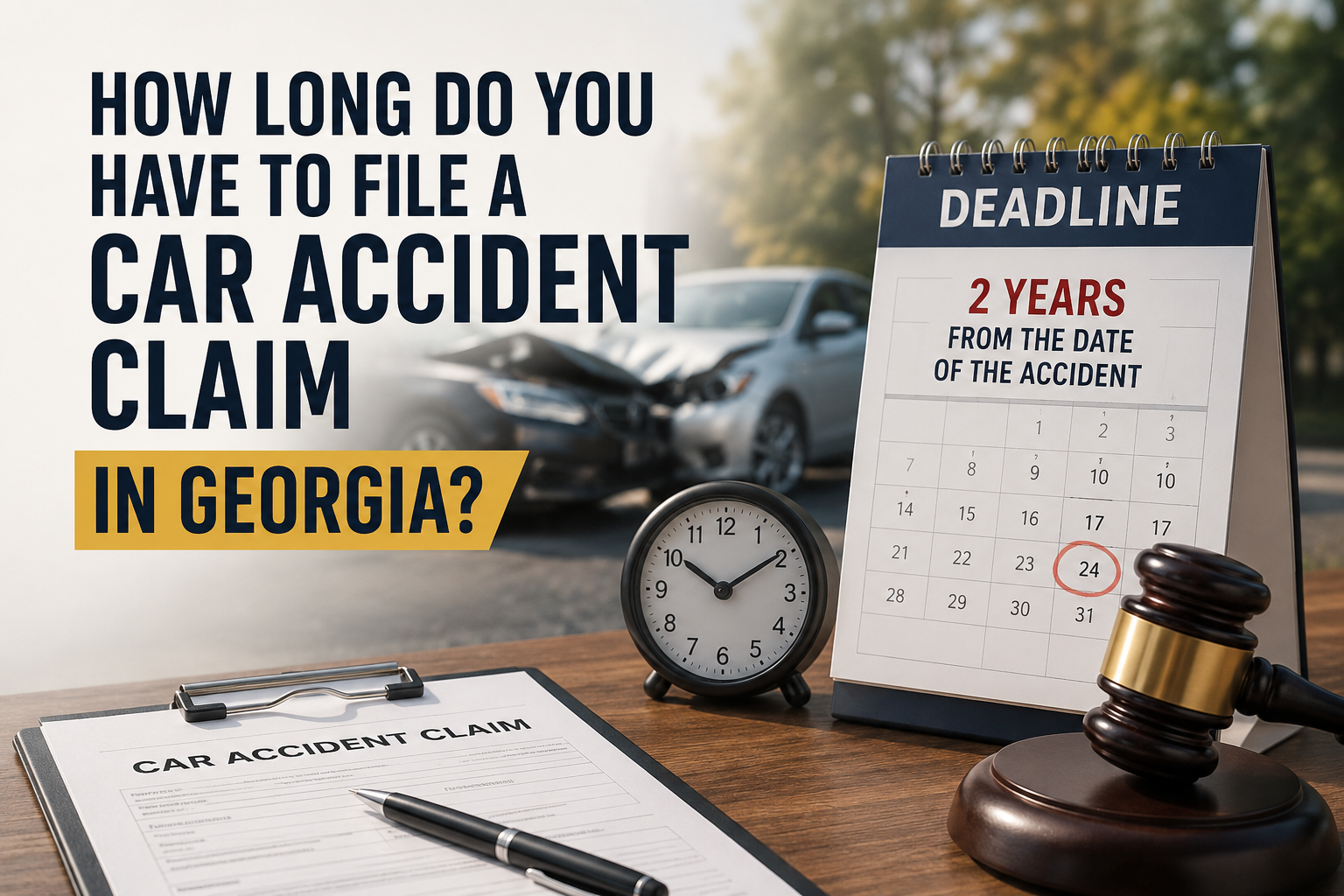
How Long Do You Have to File a Premises Liability Claim in Georgia?
Georgia premises liability claims are generally subject to a two-year statute of limitations under O.C.G.A. § 9-3-33. Waiting too long can make it more difficult to:
- Preserve surveillance footage
- Locate witnesses
- Document dangerous conditions
- Build a strong claim
Speaking with an attorney promptly can help protect your legal rights and preserve critical evidence.
Why Trust Mark Thomas Law?
Since 1998, Mark Thomas Law has represented injury victims throughout Georgia in premises liability, slip and fall, negligent security, and other personal injury cases.
Attorney Mark Thomas’s background in insurance defense provides valuable insight into how insurance companies evaluate liability, investigate accidents, and defend property owners. That experience helps the firm anticipate common defenses and build stronger claims for injured clients.
Whether your injuries occurred in a grocery store, apartment complex, parking lot, restaurant, or other property, Mark Thomas Law is committed to helping you understand your rights and pursue fair compensation under Georgia law.
Final Thoughts
Understanding premises liability Georgia law can help you protect your rights after an injury caused by unsafe property conditions. While not every accident results in a valid claim, property owners have a legal duty to exercise ordinary care in keeping their premises reasonably safe for lawful visitors.
If you’ve been injured on someone else’s property in Georgia, acting promptly is important. Preserving evidence, documenting the dangerous condition, seeking medical care, and understanding your legal options can all strengthen your potential claim. If you have questions about slip and fall accidents, request the free consultation with us.
Frequently Asked Questions
1. What is premises liability in Georgia?
Premises liability is the legal responsibility of property owners to maintain reasonably safe conditions for lawful visitors. If unsafe conditions cause an injury, the owner may be liable under Georgia law.
2. What do I need to prove for a slip and fall case in Georgia?
Generally, you must prove:
- The property owner owed you a duty of care.
- The owner failed to maintain reasonably safe premises.
- The dangerous condition caused your injuries.
- You suffered damages.
3. Who is considered an invitee under Georgia law?
An invitee is someone lawfully on property for the owner’s business purposes, such as customers, restaurant patrons, hotel guests, or apartment residents using common areas.
4. What is the difference between an invitee and a licensee?
Invitees receive the highest level of legal protection because they’re on the property for the owner’s benefit. Licensees, such as social guests, are owed a more limited duty of care.
5. Can I sue if I slipped and fell in a grocery store in Georgia?
Possibly. If the store knew, or reasonably should have known about the hazardous condition and failed to address it, you may have a premises liability claim.
6. What is the “open and obvious” defense?
It’s a legal defense arguing that the hazard was so apparent a reasonable person would have avoided it. However, courts consider all the facts before determining whether this defense applies.
7. What is negligent security?
Negligent security occurs when a property owner fails to provide reasonable security measures, contributing to foreseeable crimes that injure visitors.
8. How much is a premises liability case worth in Georgia?
Every case is different. The value of a claim depends on factors such as the severity of the injuries, medical expenses, lost income, liability, and available insurance coverage.