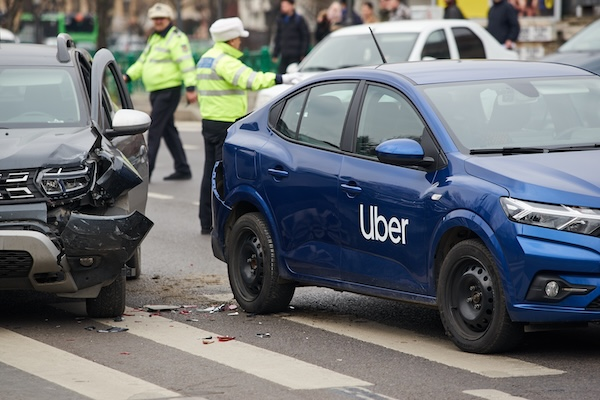
Uber and Lyft have become part of everyday life in Atlanta. Whether you’re catching a ride to Hartsfield-Jackson Atlanta International Airport, heading downtown for work, or getting home after an evening out, rideshare services offer a convenient way to travel.
But when a rideshare vehicle is involved in an accident, determining who is responsible for paying damages is often much more complicated than in a typical car crash.
Unlike ordinary drivers, Uber and Lyft drivers operate under multiple insurance policies that can change depending on whether the rideshare app was turned off, waiting for a ride request, or actively transporting a passenger. These different coverage periods often create confusion for injured passengers, other motorists, pedestrians, and even the drivers themselves.
If you’ve been involved in Uber and Lyft accidents in Atlanta, Georgia, understanding how insurance coverage works is one of the most important steps toward protecting your rights.
In this guide, you’ll learn:
- Who pays after an Uber or Lyft accident in Georgia
- How Uber and Lyft insurance coverage works
- The difference between Phase 1, Phase 2, and Phase 3 coverage
- Whether you can sue Uber or Lyft directly
- What to do immediately after a rideshare accident
- How an experienced Atlanta rideshare accident lawyer can help
Who Pays After an Uber or Lyft Accident in Georgia?
Who pays after an Uber or Lyft accident in Georgia depends on the driver’s status in the app at the time of the crash. If the driver was offline, their personal auto insurance generally applies. If they were waiting for a ride request, en route to pick up a passenger, or transporting a passenger, Uber or Lyft’s insurance coverage may apply, depending on the phase of the trip and the circumstances of the accident.
Why Rideshare Accidents Are More Complicated Than Regular Car Accidents
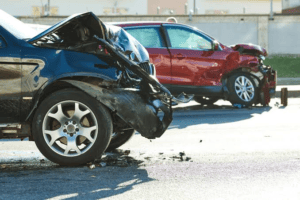
Most car accident claims involve two drivers and two insurance companies. A rideshare accident in Atlanta, Georgia claim can involve several additional parties, making the claims process considerably more complex.
Depending on the circumstances, your claim may involve:
- The rideshare driver’s personal insurance company
- Uber or Lyft’s commercial insurance policy
- Another at-fault driver’s insurance
- Your own uninsured or underinsured motorist coverage
- Insurance adjusters often investigate claims to limit payouts whenever possible.
Because several insurance policies may overlap, determining which company is responsible often depends on one critical factor:
What was the driver’s app doing at the exact moment of the crash?
Trip records, driver activity logs, GPS data, and app status frequently become important evidence during rideshare accident investigations.
Georgia Is a Fault-Based State
Georgia follows a fault-based system for motor vehicle accidents. This means the person or party responsible for causing the accident is generally responsible for paying the resulting damages.
Depending on the facts of the case, compensation may include medical expenses, lost wages, property damage, future medical treatment, pain and suffering, and rehabilitation costs. However, determining fault isn’t always straightforward in rideshare accidents.
For example, liability may involve:
- The Uber or Lyft driver
- Another negligent driver
- Multiple drivers sharing fault
- A commercial vehicle
- A government entity responsible for unsafe road conditions
Georgia also follows a modified comparative negligence rule. If more than one party contributed to the accident, compensation may be reduced based on each person’s percentage of fault. In general, an injured person who is found to be 50% or more responsible for the accident may be unable to recover damages.
Understanding how fault is allocated is often one of the most important aspects of any rideshare accident claim.
Who Pays Depends on What the Driver Was Doing
One of the biggest misconceptions surrounding Uber and Lyft accidents is that the companies automatically provide $1 million in insurance coverage whenever one of their drivers is on the road. That’s not how the system works.
Instead, insurance coverage changes depending on the driver’s activity in the rideshare app at the time of the accident. Think of it as three separate stages rather than one continuous insurance policy. Understanding these phases can help explain why two seemingly similar accidents may involve completely different insurance coverage.
Uber & Lyft Insurance Phases Explained in Plain English
The easiest way to understand Uber/Lyft insurance phases in Georgia is to imagine the driver’s workday progressing from being completely off duty to actively transporting a passenger.
Each stage activates different insurance coverage.
Phase 1: The App Is On, but the Driver Hasn’t Accepted a Ride Yet
The driver is available for ride requests but has not accepted a passenger.
During this period:
- The driver’s personal auto insurance generally applies first.
- Uber or Lyft may provide contingent liability coverage if the driver’s personal insurer denies or limits coverage.
- Coverage during this phase is generally lower than during active trips.
Because the driver is waiting for work rather than transporting a passenger, many personal insurance companies may rely on a personal auto policy exclusion, arguing that the vehicle was being used for commercial purposes.
This is one reason rideshare drivers often purchase a rideshare endorsement on their personal insurance policy.
Phase 2: The Driver Has Accepted a Ride and Is Heading to Pick Up the Passenger
Once the driver accepts a ride request, coverage changes significantly.
At this point:
- Uber or Lyft’s commercial insurance policy becomes much broader.
- The driver is considered actively engaged in rideshare services.
- Higher liability limits are generally available if the driver causes a crash.
This phase begins the moment the ride request is accepted and continues until the passenger enters the vehicle.
Phase 3: The Passenger Is in the Vehicle
This is the period most people associate with Uber or Lyft insurance. Once the passenger enters the vehicle, the trip officially ends:
- Uber or Lyft generally provides up to $1 million in liability coverage for covered accidents.
- Coverage may also include uninsured or underinsured motorist protection in certain situations.
- Passengers, other drivers, cyclists, and pedestrians injured because of the rideshare driver’s negligence may have access to this insurance.
If another driver causes the accident, that driver’s insurance may still be responsible first under Georgia’s fault-based system. However, Uber or Lyft’s policy may become important if additional coverage is needed.
Quick Comparison of Uber & Lyft Insurance Phases
| Driver Status | Insurance That May Apply |
| App Off | Personal auto insurance |
| Phase 1: App on, waiting for request | Personal insurance + contingent liability coverage |
| Phase 2: Ride accepted, en route to passenger | Uber/Lyft commercial insurance |
| Phase 3: Passenger in vehicle | Up to $1 million liability coverage, plus other applicable protections |
Understanding these phases is often the first step toward determining who pays in an Uber accident in Georgia and which insurance company may ultimately be responsible for your damages.
Injured in an Uber or Lyft Accident in Atlanta?
“Mark Thomas Law helped us understand which insurance company was actually responsible after our Uber accident. They handled the paperwork and fought for a fair settlement while we focused on recovery.” — Former Georgia Personal Injury Client.
Determining insurance coverage after a rideshare accident isn’t always straightforward. An experienced attorney can help identify the applicable policies, preserve important evidence, and protect your rights from the beginning.
✔ Free Consultation
✔ No Fee Unless You Recover Compensation
✔ Experienced Atlanta Rideshare Accident Representation
Schedule Your Free Case Review Today
Learn how contingency fees work in Georgia personal injury cases before hiring an attorney.
Can You Sue Uber or Lyft Directly After an Accident?
One of the most common questions people ask after a rideshare accident is whether they can sue Uber or Lyft directly. The answer depends on the circumstances of the crash.
Uber and Lyft classify their drivers as independent contractors, not employees. Because of this business model, the companies generally argue that they are not automatically responsible for every accident involving one of their drivers.
However, that does not mean you cannot recover compensation after a rideshare accident.
In many cases, claims are made against the applicable insurance policy rather than the rideshare company itself. Depending on the facts, there may also be situations where legal action involving Uber or Lyft is appropriate, particularly if questions arise about company policies, insurance obligations, or other unique circumstances.
Determining the correct party to pursue often requires reviewing:
- The driver’s app status
- Insurance coverage in effect
- Trip records
- Police reports
- Evidence showing who caused the accident
Because multiple insurance policies may apply, identifying the proper source of compensation is one of the most important parts of a rideshare accident claim.
What Happens If the Uber Driver’s app is off?
The driver’s app status can dramatically affect available insurance coverage. If the Uber or Lyft app was completely off at the time of the accident, the driver is generally treated like any other private motorist.
In these situations:
- Uber or Lyft’s commercial insurance usually does not apply.
- The driver’s personal auto insurance typically becomes the primary source of coverage.
- Liability is determined under Georgia’s standard fault-based system.
This distinction is important because some injured victims mistakenly assume every vehicle displaying an Uber or Lyft decal is covered by the company’s commercial insurance. In reality, coverage depends on whether the driver was actively using the app when the collision occurred.
What If You Were a Passenger?
Passengers are rarely responsible for causing a rideshare accident. Whether the crash was caused by your Uber driver, your Lyft driver, or another motorist, you may have the right to pursue compensation for your injuries. Depending on the circumstances, compensation may be available for:
- Emergency medical treatment
- Hospital bills
- Lost income
- Pain and suffering
- Future medical care
- Rehabilitation expenses
Because several insurance policies may be involved, determining where compensation comes from isn’t always straightforward. An experienced attorney can help identify every available source of recovery.
What If You Were Hit by an Uber or Lyft Driver?

Not every rideshare accident involves a passenger.
You may have a claim if you were:
- Driving another vehicle
- Walking as a pedestrian
- Riding a bicycle
- Using a motorcycle
- Crossing the street legally
Your rights generally depend on:
- Who caused the crash
- The driver’s app status
- Which insurance policy was active
- The severity of your injuries
Even if you were not inside the rideshare vehicle, you may still be entitled to pursue compensation. If the accident occurred while performing your job duties, you may also have rights under Georgia’s workers’ compensation laws.
What Should You Do Immediately After a Rideshare Accident?
The steps you take immediately after an accident can significantly affect both your health and your legal claim. Your priority should always be safety and obtaining medical care. Even if injuries seem minor, some conditions may not become apparent until hours or days after the crash.
If you’re involved in Uber and Lyft accidents in Atlanta, Georgia, consider taking these steps:
- Call 911 and report the accident.
- Seek medical attention as soon as possible.
- Photograph the vehicles, roadway, and visible injuries.
- Obtain contact information for all drivers and witnesses.
- Take screenshots of your Uber or Lyft trip details if you were a passenger.
- Avoid discussing fault at the scene.
- Report the accident through the rideshare app if applicable.
- Keep copies of medical records, receipts, and correspondence from insurance companies.
Early documentation often becomes valuable evidence if liability is later disputed.
How Long Do You Have to File a Claim in Georgia?
Georgia law generally imposes a two-year statute of limitations for most personal injury claims arising from motor vehicle accidents under O.C.G.A. § 9-3-33. Although two years may seem like plenty of time, waiting can make a case more difficult. Important evidence may become harder to obtain over time, including:
- Surveillance footage
- Witness statements
- Electronic trip records
- Vehicle data
- Accident scene evidence
Speaking with an attorney early can help preserve critical evidence before it disappears.
How a Rideshare Accident Lawyer Can Help
Rideshare accident claims often involve legal and insurance issues that do not exist in ordinary car accident cases.
An experienced rideshare accident lawyer in Atlanta can help:
- Identify every available insurance policy
- Obtain Uber or Lyft trip records
- Determine which insurance phase applies
- Investigate driver negligence
- Calculate the full value of your damages
- Negotiate with multiple insurance companies
- Pursue litigation when necessary
Having legal representation can also help ensure insurance companies do not unfairly shift blame or undervalue your injuries.
Why Trust Mark Thomas Law?
Since 1998, Mark Thomas Law has represented injury victims throughout Georgia in complex motor vehicle accident and insurance claims. The firm understands how rideshare accident cases differ from traditional car accident claims and has extensive experience navigating disputes involving multiple insurance policies and liability issues.
With decades of experience and a background in insurance defense, Mark Thomas Law knows how insurers evaluate claims and the strategies they use to minimize payouts. That insight helps the firm advocate for injured clients while pursuing the compensation they deserve.
Final Thoughts
Being involved in Uber and Lyft accidents in Atlanta, Georgia, can leave you facing medical bills, lost income, and uncertainty about who is responsible for paying your damages. Unlike traditional car accidents, rideshare crashes often involve multiple insurance policies, changing coverage phases, and complex liability questions.
Understanding the driver’s app status, Georgia’s fault-based laws, and how Uber and Lyft insurance work can help you make informed decisions after an accident. If you’re unsure which insurance policy applies or how to move forward with your claim, seeking legal guidance early can help you understand your rights and explore your options for pursuing compensation. Request for your consultation today.
Frequently Asked Questions
1. Who pays after an Uber or Lyft accident in Georgia?
The answer depends on the driver’s app status, who caused the accident, and which insurance policy was active. Coverage may come from the driver’s personal insurer, Uber or Lyft’s commercial policy, another driver’s insurer, or multiple insurance policies.
2. What insurance does Uber provide in Georgia?
Uber’s insurance coverage changes depending on whether the driver is offline, waiting for a ride request, traveling to pick up a passenger, or transporting a passenger. Coverage generally increases during active rides, with up to $1 million in liability coverage available during covered trips.
3. Can you sue Uber or Lyft directly?
In many cases, compensation is pursued through applicable insurance policies rather than directly against Uber or Lyft. Whether legal action against the company is appropriate depends on the specific facts of the case.
4. Does Uber or Lyft cover injured passengers?
When coverage applies, Uber and Lyft’s commercial insurance policies may protect passengers injured in covered accidents. The available compensation depends on the circumstances and liability involved.
5. Can I file a claim if I was hit by an Uber or Lyft driver?
Yes. Pedestrians, cyclists, motorcyclists, and occupants of other vehicles may all have legal rights if they are injured by a negligent rideshare driver.
6. Who pays after an Uber or Lyft accident in Georgia?
Liability depends on who caused the crash and whether the rideshare driver was offline, waiting for a ride request, en route to a passenger, or transporting a passenger.
7. What are the three phases of Uber and Lyft insurance coverage?
Phase 1 applies when the app is on and waiting for a ride request, Phase 2 begins after a ride is accepted, and Phase 3 starts once the passenger enters the vehicle until the trip ends.
8. What if the Uber driver’s app was off?
If the app is off, the driver’s personal auto insurance generally applies instead of Uber’s commercial policy.
9. How much insurance does Uber provide when a passenger is in the car?
For covered accidents during an active trip, Uber generally provides up to $1 million in third-party liability coverage, subject to the policy’s terms and conditions.
10. How long do I have to file an Uber accident claim in Georgia?
Most personal injury claims arising from rideshare accidents must be filed within two years of the accident date, although exceptions may apply in certain circumstances.